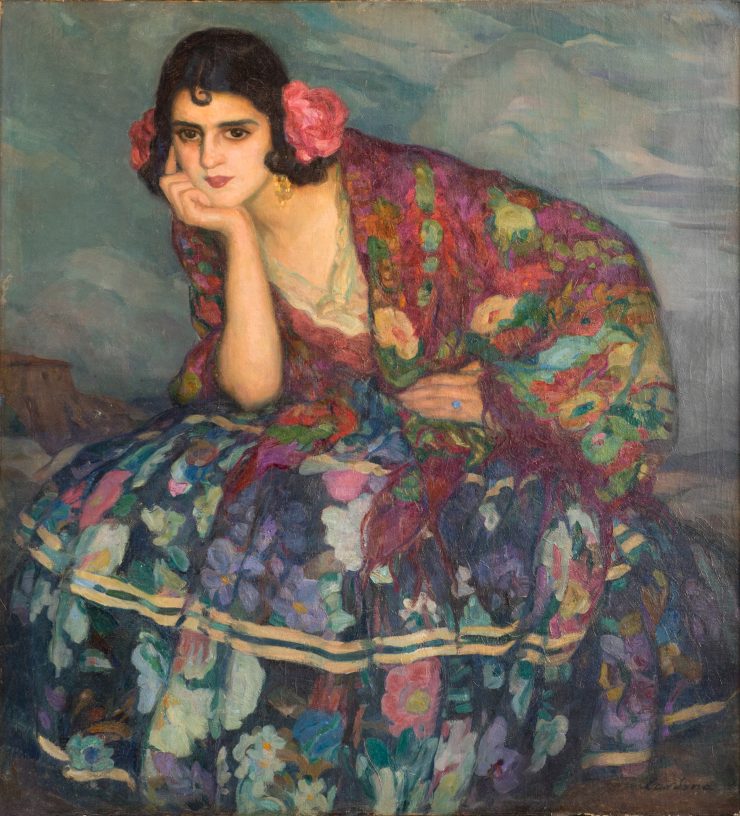
During the month of March, as part of International Women’s Day, the Carmen Thyssen Andorra Museum dedicated a series of Instagram stories to exploring the representation of women within the Carmen Thyssen-Bornemisza Collection. Far from simply celebrating them as sources of inspiration, this journey offers a broader and more critical perspective, highlighting their trajectories, identities, and agency within the history of art.
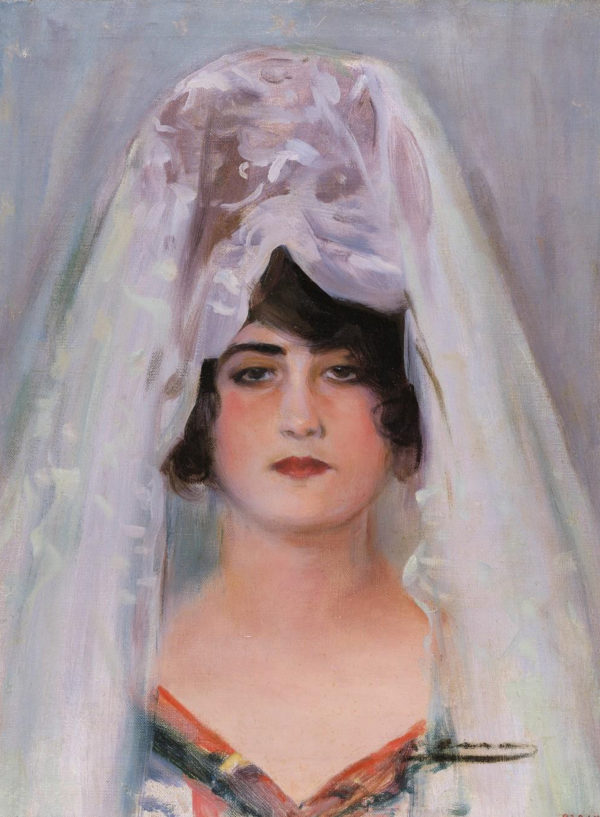
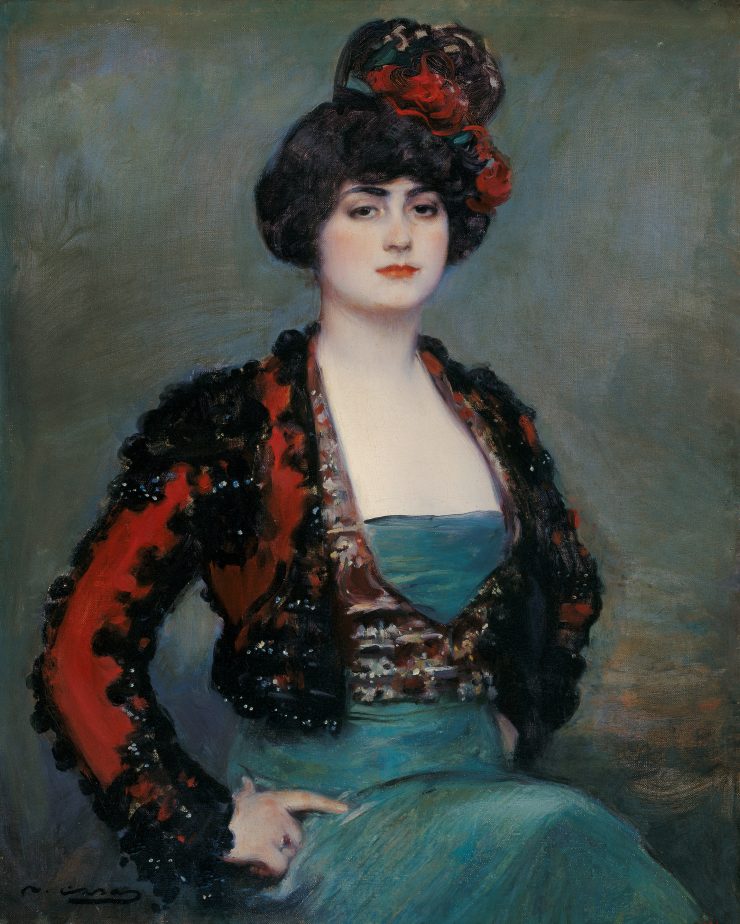
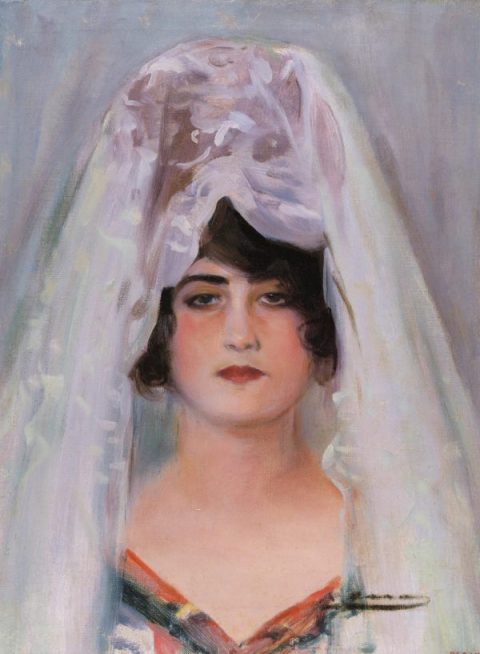
One of the most revealing cases is that of Julia Peraire i Ricarte, a figure who clearly transcends the label of muse. Coming from humble origins, selling flowers and lottery tickets, she broke into the Barcelona art scene in a context marked by social conventions and the rejection of the elites. Her relationship with Ramon Casas not only transformed the painter’s life but also his work, as he immortalized her in hundreds of portraits. However, reducing her to this role means perpetuating a historical invisibility that has often accompanied women in art. With strength and charisma, she challenged class hierarchies and the moral norms of her time, carving out a place for herself in an environment that sought to silence her. To reclaim her today is to acknowledge her agency and restore her rightful place.
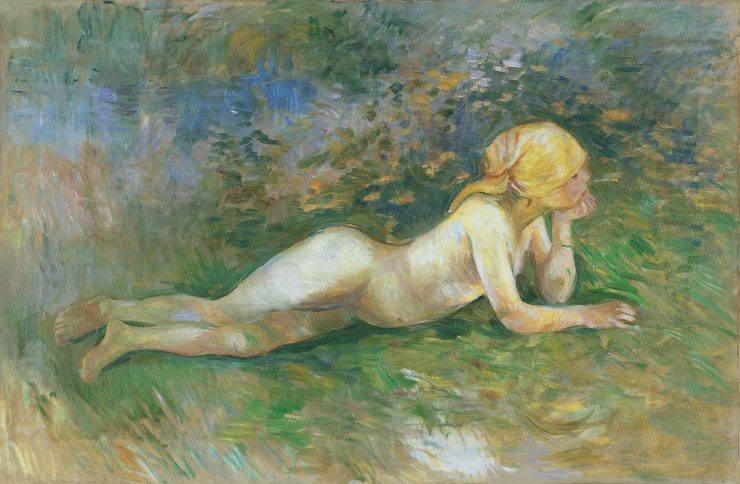
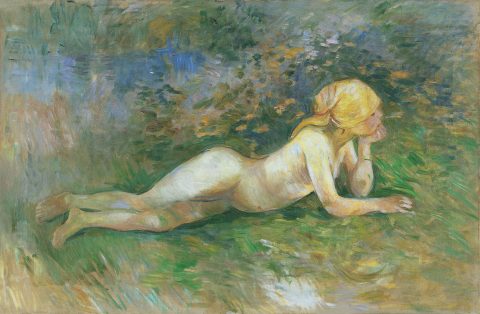
In the same vein, within the Carmen Thyssen-Bornemisza Collection we find works by artists such as Berthe Morisot, one of the great figures of Impressionism and one of the few women who managed to make her way in a movement dominated by men. The Collection includes Bergère nue couchée, in which the female body is depicted through an intimate gaze, far removed from the objectification typical of the era. Morisot brings her own sensitivity, asserting women not only as subjects but as creators, capable of reinterpreting reality with a personal and modern vision.
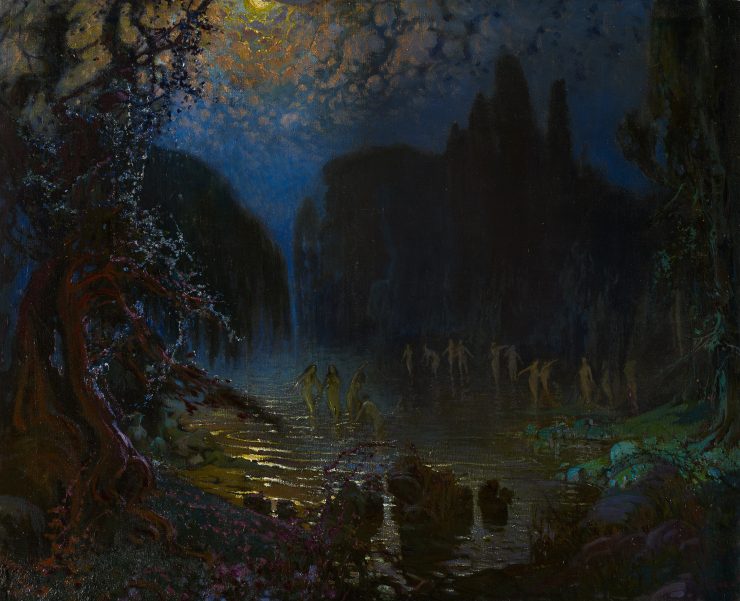
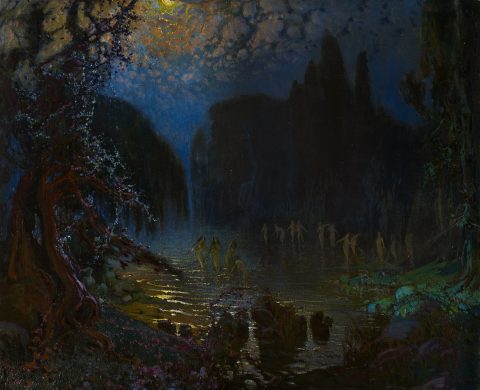
This reflection also leads us to symbolic figures such as the nymph, a recurring motif in art history. In El baño de las ninfas by Antonio Muñoz Degrain, a nocturnal and evocative scene unfolds, where naked bodies merge with lush nature under the moonlight. Unreal colors and a dreamlike atmosphere accentuate its almost magical character. Rooted in classical mythology, nymphs are minor divinities linked to rivers, forests, or mountains, embodying the vitality and spirit of the landscape. Over time, artists have used this figure to explore ideals of beauty, sensuality, and transience, making it a persistent symbol in the artistic imagination.
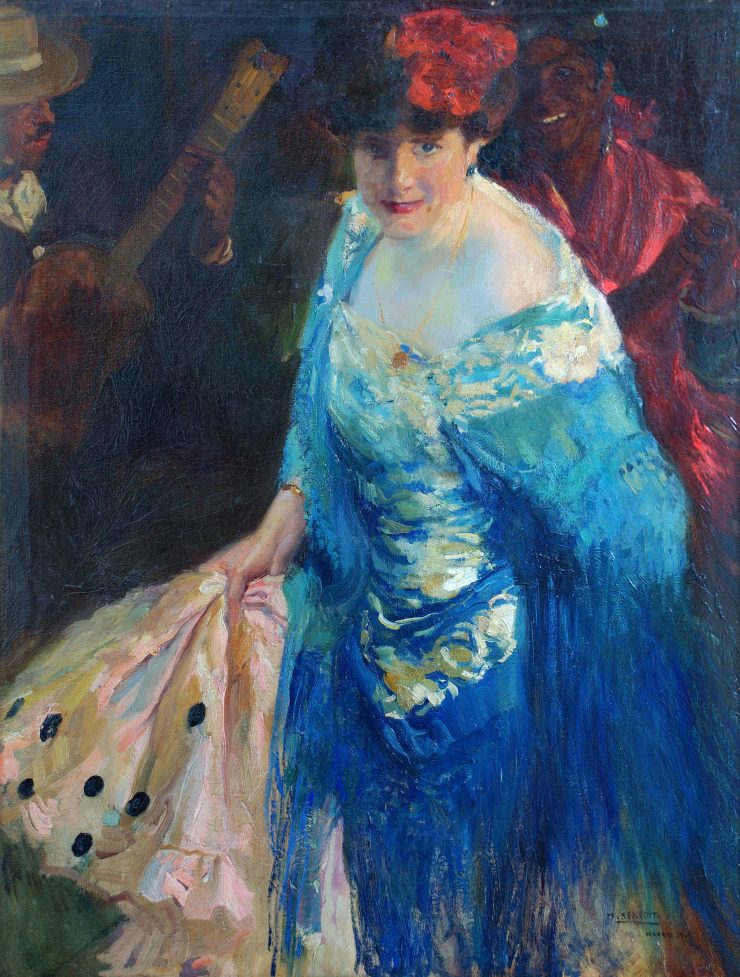
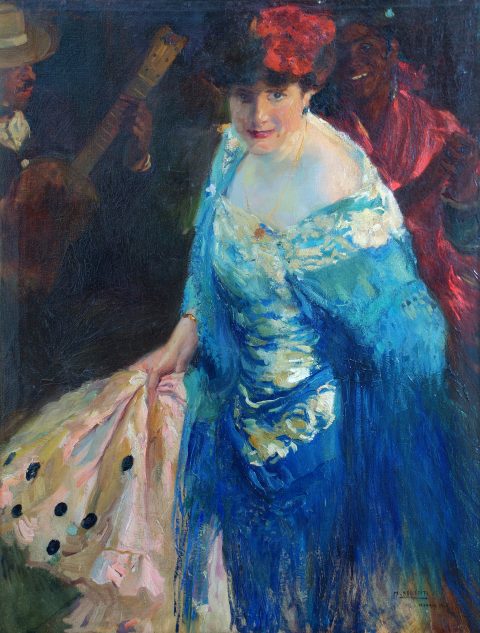
Finally, the figure of the flamenco dancer introduces us to a universe of movement, emotion, and expressiveness. In the work of Manuel Benedito, a disciple of Sorolla, a dancer captured mid-turn becomes the focal point of a scene filled with light and rhythm, accompanied by musicians and clapping that intensify the atmosphere. The bailaora has fascinated artists for generations, becoming a symbol of strength, passion, and cultural identity. Beyond an exoticizing gaze, these representations reveal a desire to capture character and emotional intensity, turning the female figure into a vehicle of expression and visual storytelling. Thus, the bailaora ceases to be merely a muse and becomes a protagonist, bearer of a living tradition that transcends borders.
Through these stories, the Carmen Thyssen Andorra Museum invites us to rethink the representation of women in art. Far from being passive figures, these women emerge as active subjects, with their own voice and the power to transform culture. To recognize them is, ultimately, to restore their presence and ensure their place in collective memory.